

- WONE Lighting
- Horticultural Lighting
- Applications
- Raspberries & blueberries
Application · Berries
Lighting for raspberries and blueberries
Most raspberries and blueberries are grown in the field. Light has a role under glass, in the nursery and in research, and the first question is whether it pays at all.
Why light
Where light can apply
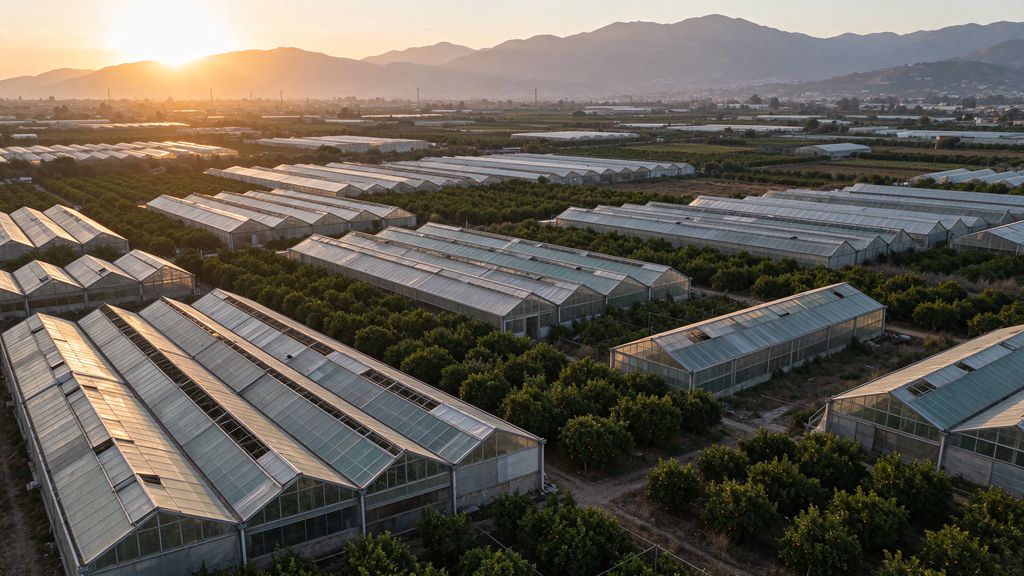
Long-cane raspberries grown in pots under glass are produced out of season in some countries, and supplemental light is used experimentally to support winter and early-spring crops.
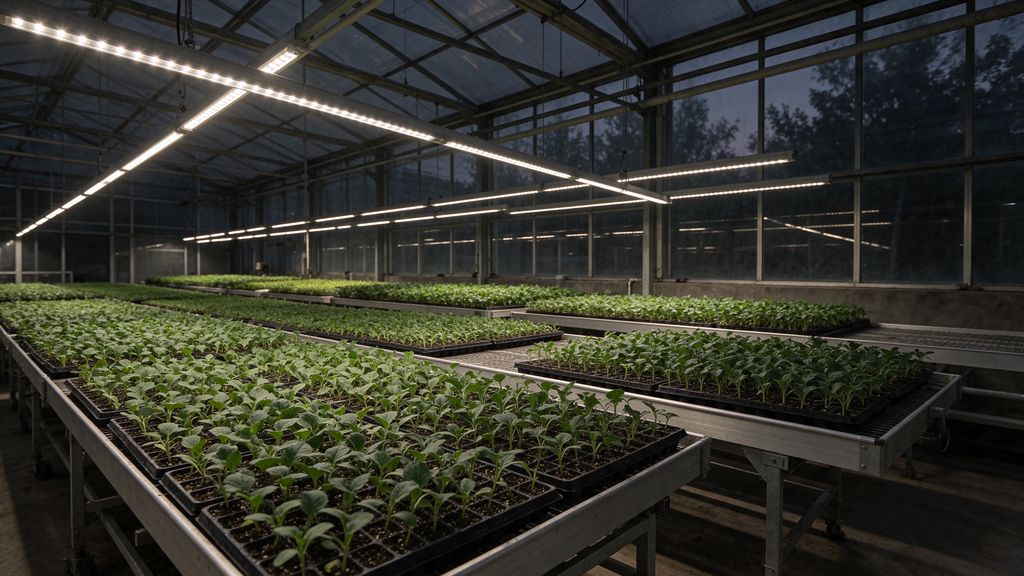
Propagation of berry plants (raspberry canes, blueberry cuttings, haskap and other berry nursery stock) can benefit from controlled light in the nursery.
Field blueberries, cranberries and wild blueberries are left to the sun; at production scale they are no case for artificial light.
 How light is used, by crop
- RaspberryPrimarily outdoor · Seasonal protected · Commercial greenhouse
- Blueberry, highbushPrimarily outdoor · Nursery & propagation
- Blueberry, lowbush (wild)Primarily outdoor
- Blackberry and currantPrimarily outdoor
- CranberryPrimarily outdoor
- HaskapPrimarily outdoor · Nursery & propagation
- Serviceberry (Amelanchier)Primarily outdoor · Nursery & propagation
The system
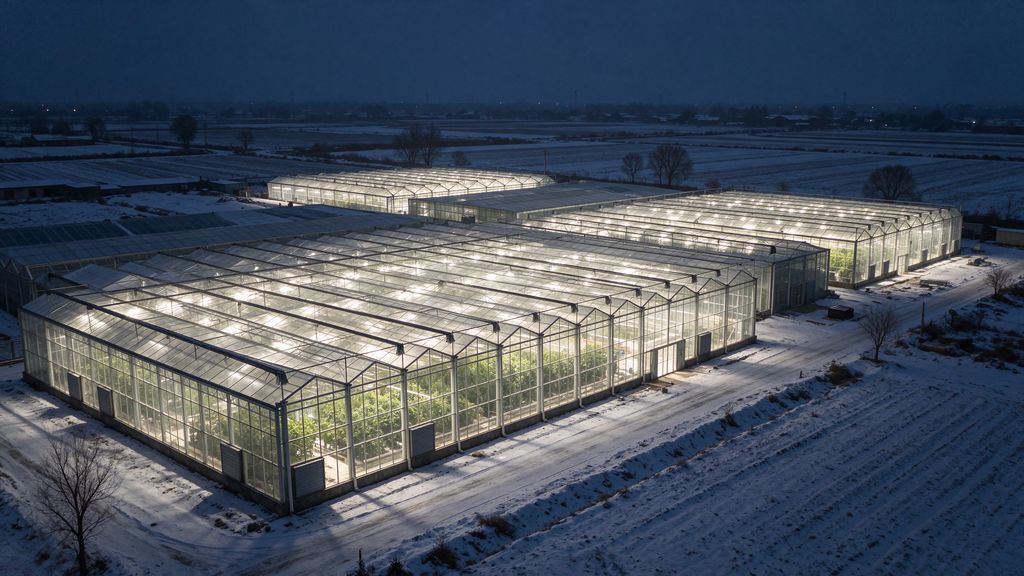
Long canes in pots under glass
Long-cane raspberries are raised outdoors, chilled, then brought under glass to fruit out of season. Light is one lever among heating, chilling and timing.
What WONE delivers
A research pilot before any commitment
- 01
Feasibility check
Winter prices, heating and energy weighed against the expected change in timing before any hardware is discussed.
- 02
Nursery lighting
Even, moderate light for raspberry canes, blueberry cuttings and other berry nursery stock.
- 03
Trial design
Lit and unlit plants compared on flowering, harvest timing and energy per kilogram of fruit.
Decisions
What decides the design
Current status
Lit raspberry production is still experimental. Any project is run as a research pilot with clear measurements.
Chilling and dormancy
Cane fruit and blueberries need chilling. Light cannot replace it, and every programme respects the plant’s dormancy cycle.
How the result is measured
Canopy PPFD and DLI during the lit period.
Flowering and harvest timing against unlit plants.
Energy per kilogram of fruit.
Where light pays, and where it does not
For field berries, full-cycle artificial light is economically weak. For protected raspberries the case is unproven and depends on winter prices; for propagation it depends on plant value and speed.
Related applications
Discuss your project
Crop, location, structure and what is already installed are enough to begin. We reply with the questions that shape the lighting design and an outline of what we would calculate and measure.